


More Than Music: The Lasting Impact of Singing for Children
- Caroline
- 2 days ago
- 3 min read

There is a growing body of evidence that singing is far more than an enjoyable addition to the school day. It plays a meaningful role in children’s development, supporting wellbeing, learning, and social connection in ways that are both measurable and long lasting.
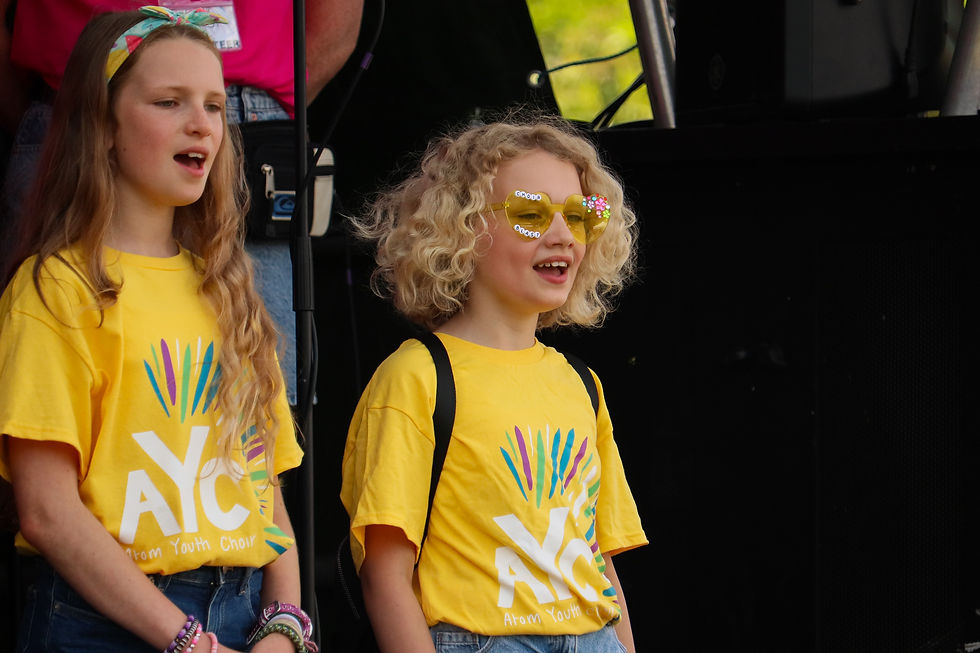
Research from University College London found that children who take part in regular, structured singing programmes show improvements in mood, wellbeing, and feelings of social inclusion (Welch et al., 2014). That sense of belonging is not incidental. Singing is a shared activity, and it creates a space where children work together towards a common outcome. Studies of youth choirs show that this kind of participation can strengthen peer relationships and support the development of cooperation and empathy (Williams et al., 2018).
There are also clear physiological benefits. Group singing has been linked to the release of endorphins and a reduction in cortisol levels, helping to lower stress and support emotional regulation (Kreutz et al., 2004). In practical terms, children who sing regularly often feel calmer, more focused, and better able to manage the demands of the school day.
The impact extends into learning. Singing supports language development through its focus on rhythm, pitch, and articulation, while also strengthening memory and concentration. Evidence gathered through programmes such as Sing Up points to links between regular singing and improvements in literacy and wider academic engagement (Hallam, 2010; Welch et al., 2014). Music activates multiple areas of the brain at once, helping children to make connections, recognise patterns, and retain information more effectively.

Confidence is another important outcome. Singing asks children to use their voice, often in front of others, but within a supportive and structured environment. Over time, this can lead to increased self-esteem and a greater willingness to participate more broadly, both inside and outside the classroom (Welch et al., 2014). For some, it becomes a turning point, a way of finding a voice where there was hesitation before.
These benefits sit at the heart of ChoirBLAST’s work. The festival is the most visible expression of what we do; it enables this wider work to continue, generating funding that supports our community choirs, all of whom are performing this year. It also plays an important role in bringing people together and celebrating young singers. However, it is only one part of a wider commitment.
A central aim of the charity is to take singing into schools that may not otherwise have access to this kind of provision. Access to music education remains uneven, and without initiatives like this, many children miss out on the opportunities outlined above. By working directly with schools, ChoirBLAST helps to ensure that more young people can experience the wellbeing, educational, and social benefits that singing offers. This is crucial to the wellbeing of our children and the generations to come. If we want singing to remain an integral part of life, as it has been throughout history, we need to plant that legacy at the seed stage. ChoirBLAST understands the importance of this, which is why we currently deliver weekly ChoirBLAST choirs in junior, infant, and nursery schools. Our ambition is to grow this further, expanding opportunities for children of all school and pre-school ages to experience the joy and benefits of singing together.
Group Singing. Happy Minds. Healthy Communities.
ChoirBLAST, then, is not just about performance. It is about access, continuity, and impact. It is about ensuring that more children have the chance to experience what singing can offer, not only in the moment, but over time.
References (selected):
Kreutz, G. et al. (2004). Effects of choir singing on immunoglobulin A and cortisol.
Welch, G. et al. (2014). Singing and social inclusion. University College London.
Hallam, S. (2010). The power of music: Its impact on intellectual, social and personal development.
Williams, E. et al. (2018). Youth choir participation and social development.
Sing Up (reports on music education and singing impact).


